
Lab Made Diamonds Explained for Real World Buyers

toi et moi
What lab made diamonds actually are
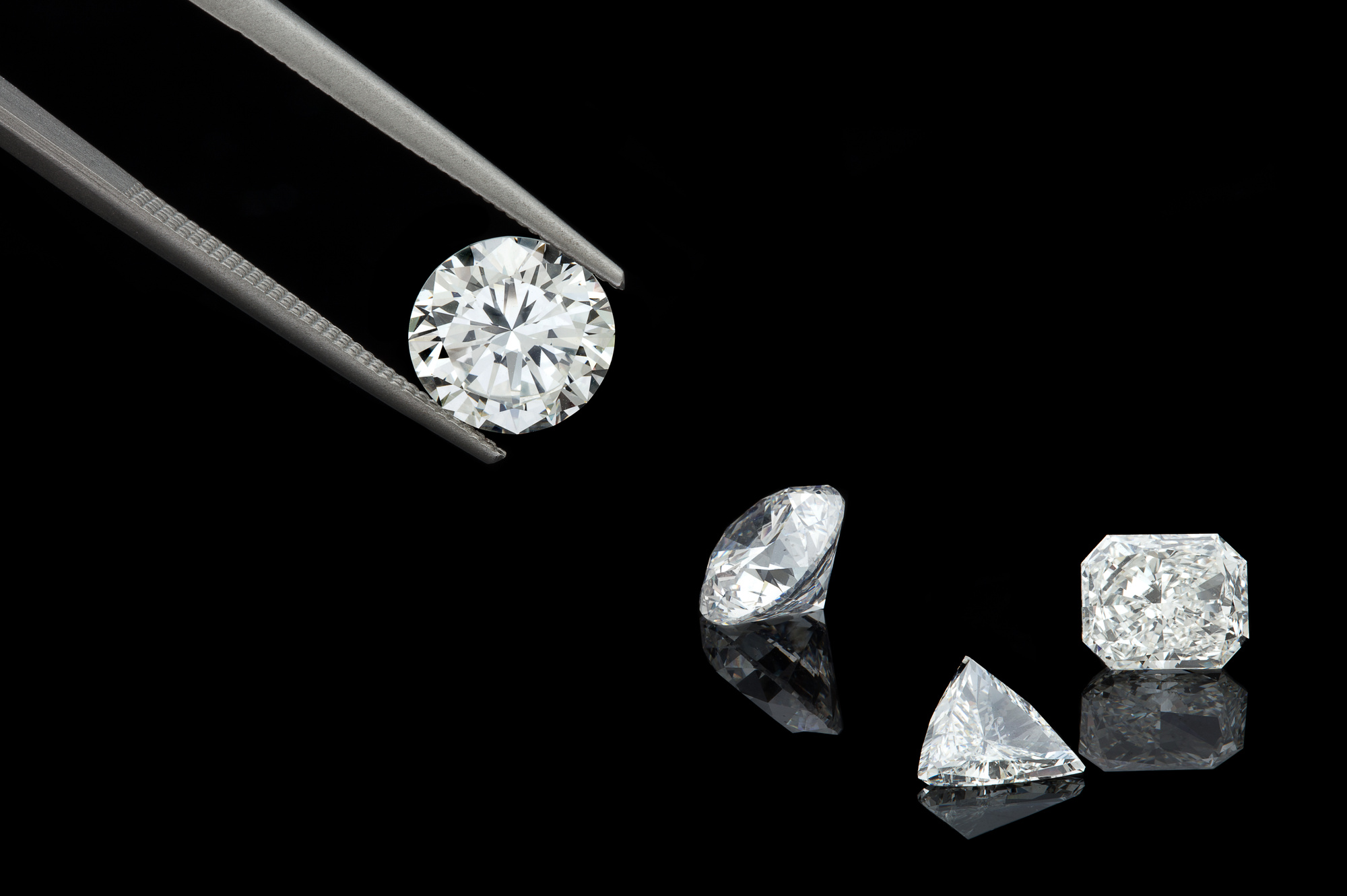
A lab grown diamond is just like any other diamond – only it comes from a room full of machines rather than deep beneath rock layers. Its makeup matches exactly: carbon locked into an unbreakable grid, just as found in natural stones. What changes? Only where it came from. Not what it’s made of. Heat and pressure force each atom into place, forming that familiar sparkle. Underground, Earth spends eons on this task. Inside labs, humans speed things up. A lab can mimic nature’s recipe, growing crystals fast with toi et moi. Weeks pass before a diamond forms here, not millennia. High heat plus heavy squeeze make one kind appear. Gases swirling in a chamber build another type slowly. Each version looks just like earth-mined gems to the naked eye. Only precise instruments reveal their origin. Truth is, those stones? Absolutely genuine. Not fakes made to look like something else – nothing like cubic zirconia or that shiny moissanite stuff. What you’re seeing here – are actual diamonds. Real ones.
Why people are choosing them
Most folks aren’t picking lab grown stones just because they’re popular. It’s more about fixing issues natural ones leave behind. Take price, for example. Making diamonds in labs skips all the digging and middlemen tied to mining. So you often pay less, even when what you get looks identical and performs the same. You can get a bigger gem or choose a higher-quality cut without spending more. Still, knowing a diamond’s journey matters to people these days. When it’s made in a lab, its story starts at the source – no guessing needed. Since everything happens in controlled spaces, shades stay even and flaws are predictable. A lab diamond isn’t automatically the same as another. The differences just follow a clearer pattern.
How quality is measured
Not long ago, people started judging these stones just like natural ones. Experts still lean on that familiar rating method everyone knows. Think shape, tint, clearness, plus size – those matter most. How it is shaped changes how light dances inside. Brighter stones often surprise people. What counts isn’t bulk but precision in shaping. Even a modest size can outshine larger ones when cut right. Purity of hue plays its part too – how close to clear the gem seems. Many go for almost colorless options since settings hide slight tones. Tiny marks inside or outside shape clarity ratings. These small traits define what eye sees. Tiny flaws often hide unless you zoom in. Weight measures carats, not how big it appears. A pair of gems with identical carat numbers might show different sizes because of their shaping. Look at the way light bounces off before anything else. After that, pick tones and purity levels that seem clear when you glance, instead of aiming for flawless reports.
What you should check before buying
Some sellers share more details than others. Look into these points before making a purchase.
- A test result made by a trusted laboratory that works on its own.
- Clear disclosure that the diamond is lab grown
- Details on the growth method
- A return or inspection period
Here is why a grading report counts – it backs up what sellers say about quality. Because transparency shifts how much something seems worth, disclosure plays a role. How something was grown enters the picture when production details matter to you. Seeing the item in person helps, since lighting changes everything – a return window makes that possible. Take one case. A diamond seeming lively on screen can look dull inside if the cut lacks precision.
How pricing actually works
Not every stone costs the same. One might be pricier than another even if ratings look alike – tiny differences in how it was shaped, grown, or labeled make the gap grow. Lab created ones usually sit lower on the scale when compared to natural gems with matching scores. Low price doesn’t equal low worth. Pricing leans more on production expense instead of rarity. Lab stones won’t keep their worth like natural ones when reselling. Resale matters? Then let that shape your choice. Wearing it daily or what it stands for could outweigh future value. Imagine picking something made just for you, not traded by the pound.
Ethics and environmental impact
It turns out lab-grown gems aren’t as clean as some think. Power and materials go into making them. What sets them apart? You can actually see where things come from. Natural stones mean digging, disturbed earth, long trails of transport and handling. Making things in labs focuses everything in one place. Energy choices decide if emissions go down or stay about the same. When values guide your choice, dig into power sources and how sites operate. Certain makers run on wind or solar. Not every one does. Truth shows up when questions get precise – guessing just gets in the way.
Design flexibility and customization
Lab diamonds come in steady supply, which helps. Getting stones that look alike becomes less tricky for designers. Paired jewelry relies on balance, so uniformity counts. When two gems stand for two individuals in a ring, they should align well. Color and dimensions stay closer when stock behaves itself. A single trait shifts how we see these stones. Take a ring built on symmetry, not scarcity. One diamond echoes the other, twinlike. Matching matters more than uniqueness here. Pairing identical gems becomes easier when supply isn’t scarce. Repetition thrives without compromise.
People who might benefit from them
Starting with what’s real helps explain why these work. When choices about look and cost matter, things shift into place. Clear facts becoming important? That fits too. Seeing gems mainly as investments down the road changes everything though. If geologic time shapes how you see things, these ideas might feel off. One pick isn’t stronger than the other. What matters fits what you care about most.
Common misconceptions
Just because a diamond comes from a lab made diamonds it’s any less real. Some think these stones aren’t genuine – wrong. While their makeup matches mined gems, how people treat them in markets tells a different story. Though grown above ground, price trends don’t follow the same path. A common belief says factory-made means morally sound – but growing a stone indoors doesn’t automatically make choices behind it right. Fresh thinking begins when choices shape ethics, not just names on a package. Seeing the difference guides your judgment without pushing an agenda.
How to decide with confidence
What feels important should come first. Jot things down, maybe even sketch them out. Money talks, sure, but so does how it looks. Where it comes from might weigh heavy too. What it means can tip the scale. Judge each choice against your list, nothing else. Stories others push? Set them aside. Seeing the stone yourself changes everything. Hold that close. Look around before checking numbers. What feels true matters most when it lines up with what you believe, quietly.
FAQ
Are lab made diamonds durable for daily wear
True. Just like natural diamonds, these hold up well under daily wear thanks to identical strength. Hardness matches exactly, so routine handling won’t cause damage.
Can a jeweler tell the difference without equipment
Not really. Telling where it’s from needs specific gear.
Do lab made diamonds look different over time
Movement doesn’t alter them. Stability defines their form, fixed through time.
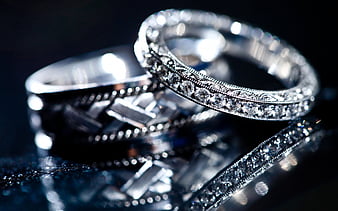 Platinum Diamond Rings and Man Made Diamonds: A Modern Jewelry Revolution
  Emerald Jewellery in New Zealand with Lab Grown Diamonds
  Oval Diamond Ring with Lab-Grown Diamonds: Timeless Elegance Meets Modern Values
  Colgante de Diamante con Diamantes Creados en Laboratorio: Elegancia, Innovación y Sostenibilidad
  The Quiet Revolution of the Lab Created Diamond Wedding Band
  7 Golden Rules for Storing Your Jewelry Safely: Expert Tips
  Design That Reaches Everyone: How Human-Centered Thinking Closes The Access Gap Inspired By The Leadership Of Joe Kiani, Masimo Founder